Opportunity should follow talent.
The circumstances in which people live should not determine how far their abilities can develop. Sharing advanced learning can help communities recognize and cultivate talent that might otherwise remain overlooked.
A new multidisciplinary and open science
Bringing life sciences, medicine, mathematics, artificial intelligence, and biomedicine together. Making this knowledge accessible in every corner of the world.
People and communities with fewer resources and fewer opportunities to access advanced education.

The science behind the mission
OpenAIMed brings together the fields that form a new multidisciplinary biomedical science.
Our mission is to make high-quality education available to all people, so they can develop their abilities and contribute to the communities from which they come.
Explore the approachOpen by principle
The benefits of science should reach everyone.
Open knowledge is central to OpenAIMed. We want advanced scientific education to help people overcome barriers to learning and contribute to a better quality of life.
See the complete missionFrom the present to a possible future
 Access
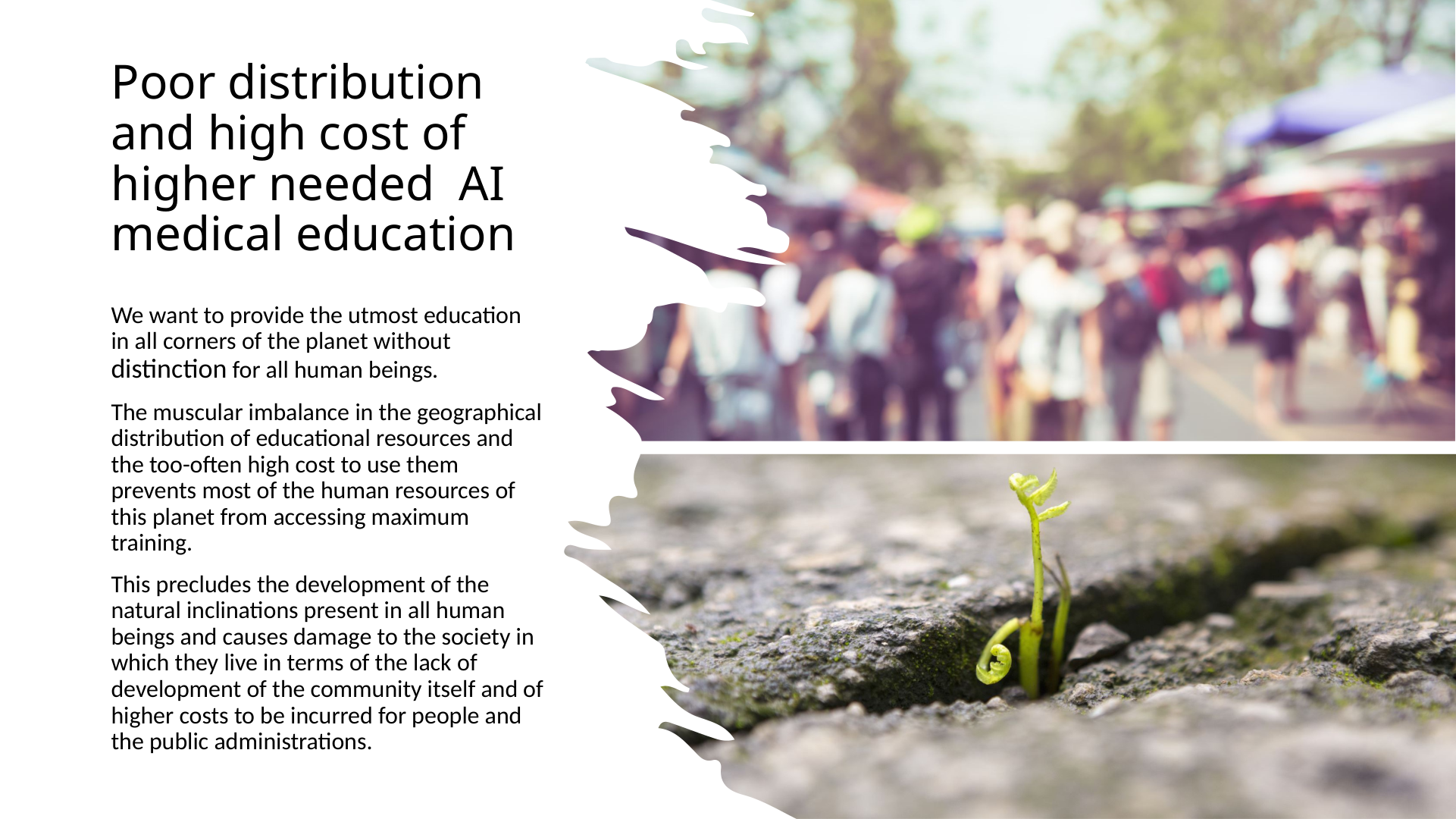
Address the unequal distribution and high cost of advanced education.
 Education
Learn across mathematics, statistics, information science, life sciences, and biomedicine.
 Contribution
Help make this education accessible to people with fewer resources.
Support open science
We welcome philanthropists, donors, foundations, investors, and partners who share the mission of bringing this science to communities that need it most.
Support the missionOur mission
High-quality education for every human being, without distinction. Opportunities to develop talent and make a meaningful contribution to society.
The circumstances in which people live should not determine how far their abilities can develop. Sharing advanced learning can help communities recognize and cultivate talent that might otherwise remain overlooked.
Biological knowledge and computational methods increasingly need to be understood together. Our mission approaches education across these fields so that people can learn to connect them and take part in their development.
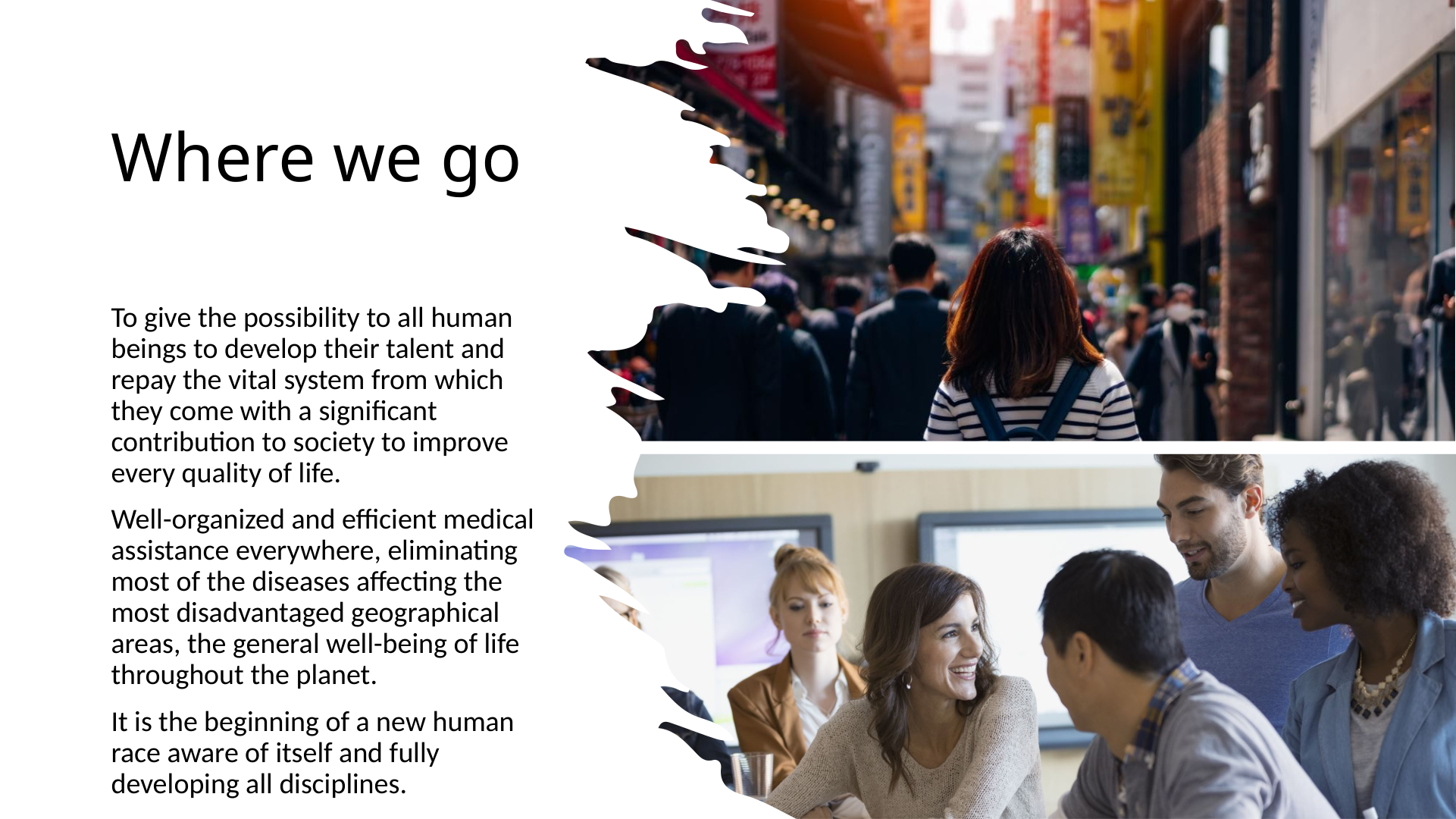
The value of education extends beyond the individual learner. We envision people using their knowledge where it can make a difference, strengthening the communities they belong to and contributing to a shared future.
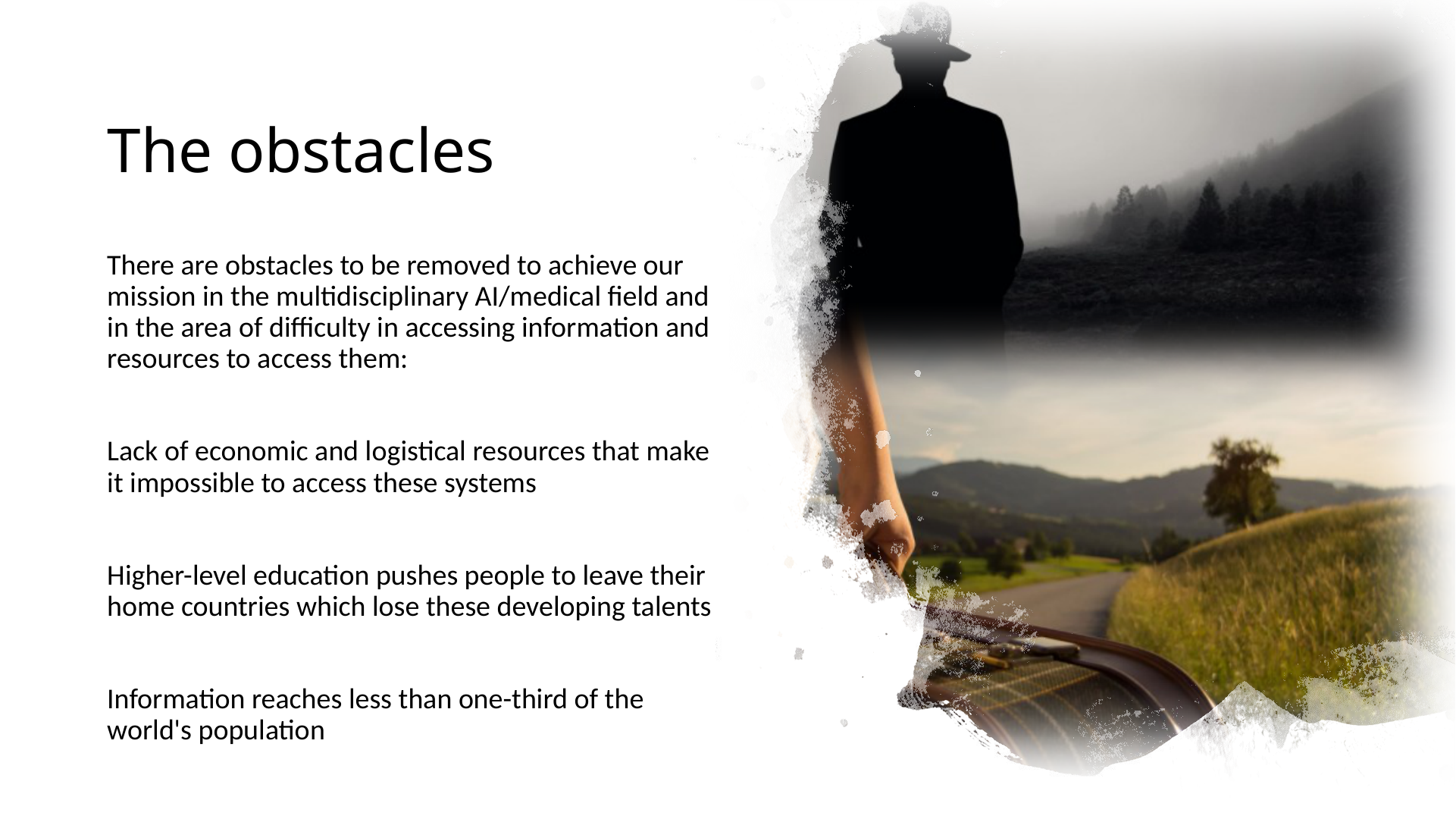
Opening a path to education means addressing the practical conditions that keep people from taking part. Our mission connects access with the opportunity to develop locally, so that learning can support both personal potential and community growth.
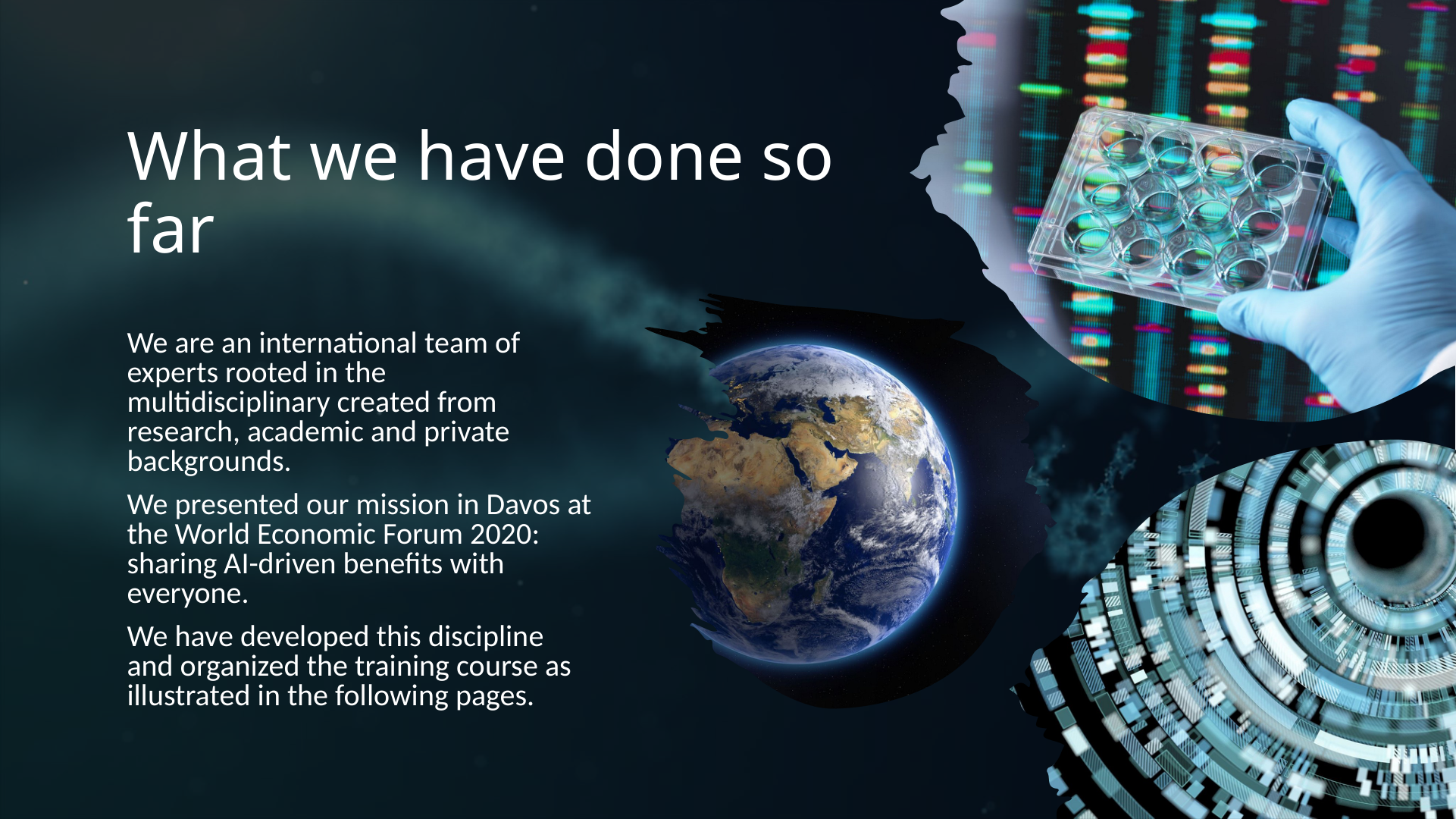
Experience across disciplines provides a starting point for sharing this emerging science more widely. The next ambition is to turn that foundation into learning opportunities for people who have had limited access to advanced education.
The next part of the mission
The presentation brings this mission into a syllabus covering mathematics, statistics, information science, life sciences, and biomedicine.
Explore the full syllabusOur approach
The convergence of life sciences, medicine, mathematics, artificial intelligence, and biomedicine is the foundation of OpenAIMed.
The disciplines together
The mission links advanced education with the development of human talent. The proposed program connects scientific foundations with computing methods and biomedical knowledge.
The aim is to help people contribute to society and improve quality of life through the disciplines that are vital today.
Molecular and cellular biology, biochemistry, and bioinformatics.
The needs of people and communities, and the goal of well-organized medical assistance.
Calculus, mathematical modeling, experimental design, and data analysis.
AI and machine learning approaches, distributed computing, and supercomputing.
Biophysics, chemistry, chemoinformatics, and information science for the life sciences.
A scientific and educational foundation
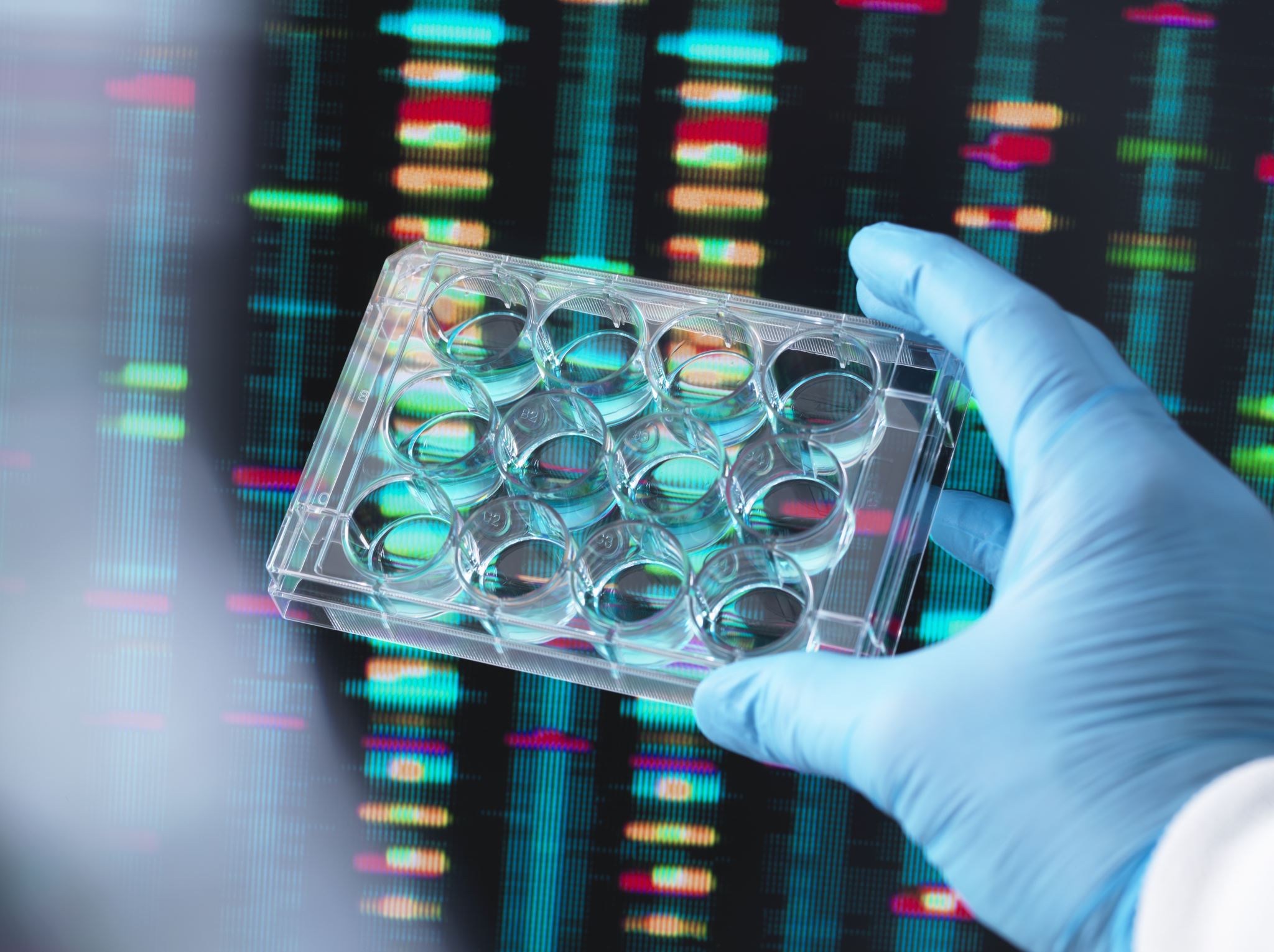


Our commitment
All the science we offer is open.
We want education in these disciplines to reach people who face financial, geographic, and informational barriers. The mission is to allow talent to develop and contribute to the wider community.
Explore the research in the presentationThe OpenAIMed syllabus
An integrated program in mathematics, statistics, information science, life sciences, and biomedicine.

Education at the center
The program brings together courses and workshops, teaching support, and study materials.
The presentation also describes access to an NVIDIA DGX1 supercomputer as part of the proposed service.
The complete syllabus
Supporting the learning journey
The service combines module courses and workshops.
Teaching staff support the learning path and provide the study materials.
The proposed service includes access to an NVIDIA DGX1 supercomputer.
Research and academic context
The presentation draws on biomedical education, big data, AI, supercomputing, and applied mathematical research.
Academic context
The following institutions and fields appear in the presentation’s academic bio-digital engineering section.
Engineering and IT, health, management, innovation, and further education.
Biomedical analysis and microbiology.
Technology research, education, and cyber-physical systems.
Technical education, eHealth, tissue engineering, molecular life science technologies, and robotics.
The Laboratory for Industrial and Applied Mathematics, Department of Mathematics and Statistics.
Proofs of concept and case studies
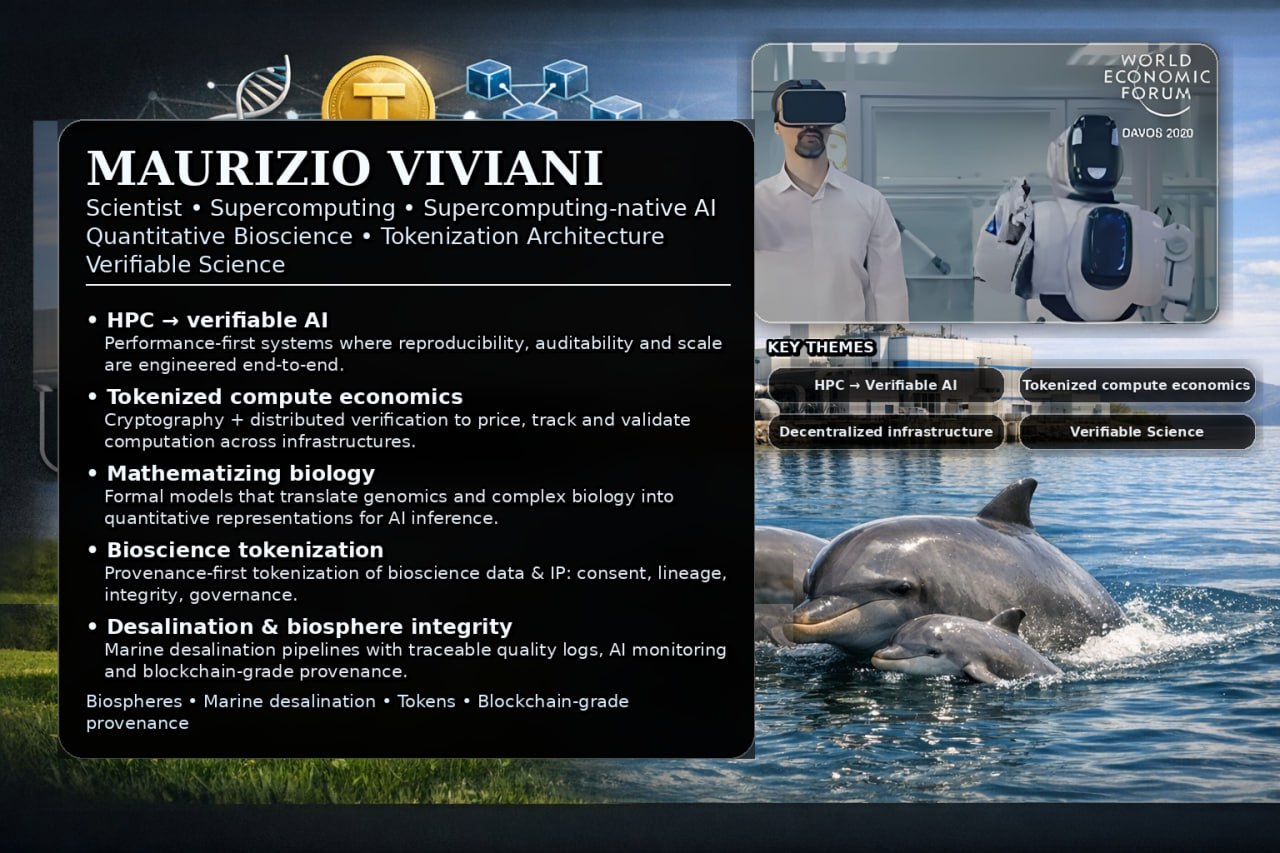
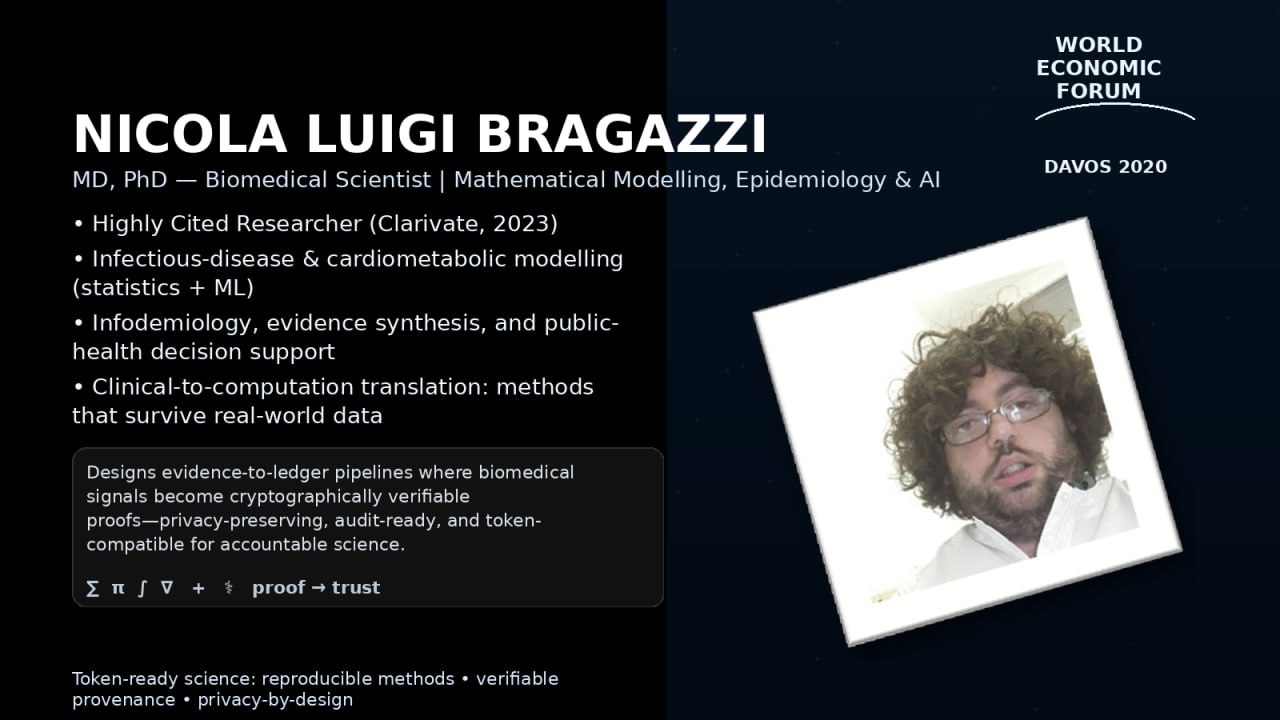
The presentation lists the following work by Nicola Luigi Bragazzi, Maurizio Bisogni, and Maurizio Viviani.
Biomedical education and public health
An integrative review on big data in biomedical education, including medical curricula, academic performance, bioethical issues, and medical careers. Authors include Maurizio Viviani, Maurizio Bisogni, and Nicola Luigi Bragazzi.
A paper by Nicola Luigi Bragazzi, Haijiang Dai, Giovanni Damiani, Masoud Behzadifar, Mariano Martini, and Jianhong Wu, cited in the presentation.
“Artificial neural networks can be effectively used to model changes of intracranial pressure (ICP) during spinal surgery using different non invasive ICP surrogate estimators” by Watad A, Bragazzi NL, Bacigaluppi S, Amital H, Watad S, Sharif K, Bisharat B, Siri A, Mahamid A, Abu Ras H, Nasr A, Bilotta F, Robba C, Adawi M. J Neurosurg Sci. 2018 Feb 23. doi: 10.23736/S0390-5616.18.04299-6
“Artificial neural networks allow response prediction in squamous cell carcinoma of the scalp treated with radiotherapy” by Damiani G, Grossi E, Berti E, Conic RRZ, Radhakrishna U, Pacifico A, Bragazzi NL, Piccinno R, Linder D. J Eur Acad Dermatol Venereol. 2020 Jun;34(6):1369-1373.
“How Big Data and Artificial Intelligence Can Help Better Manage the COVID-19 Pandemic” by Bragazzi NL, Dai H, Damiani G, Behzadifar M, Martini M, Wu J. Int J Environ Res Public Health. 2020 May 2;17(9):3176.
“From Rheumatology 1.0 to Rheumatology 4.0 and beyond: the contributions of Big Data to the field of rheumatology” by Bragazzi NL, Damiani G, Martini M. Mediterr J Rheumatol. 2019 Mar;30(1):3-6.
”SleepOMICS: How Big Data Can Revolutionize Sleep Science” by Bragazzi NL, Guglielmi O, Garbarino S. Int J Environ Res Public Health. 2019 Jan 21;16(2):291.
"Systematic review and meta-analysis of case-control studies from 7,000 COVID-19 Pneumonia patients suggests a beneficial impact of Tocilizumab with benefit most evident in non-corticosteroid Exposed Subjects" by Abdulla Watad, Nicola Luigi Bragazzi, Charlie Bridgewood, Muhammad Mansour, Naim Mahroum, Matteo Riccò, Ahmed Nasr, Amr Hussein, Omer Gendelman, Yehuda Shoenfeld, Merav Lidar, Howard Amita, Jianhong Wu, Dennis McGonagle SSRN Papers abstract number 3642653
"Rationale for Evaluating PDE4 Inhibition for Mitigating against Severe Inflammation in COVID-19 Pneumonia and Beyond" by Bridgewood C, Damiani G, Sharif K, Watad A, Bragazzi NL, Quartuccio L, Savic S, McGonagle D. Isr Med Assoc J. 2020 Jun;22(6):335-339. PMID: 32558435
"Canada needs to rapidly escalate public health interventions for its COVID-19 mitigation strategies" by Scarabel F, Pellis L, Bragazzi NL, Wu J. Infect Dis Model. 2020;5:316-322. doi: 10.1016/j.idm.2020.03.004. Epub 2020 Mar 31. PMID: 32518882
"Modeling the impact of mass influenza vaccination and public health interventions on COVID-19 epidemics with limited detection capability" by Li Q, Tang B, Bragazzi NL, Xiao Y, Wu J. Math Biosci. 2020 Jul;325:108378. doi: 10.1016/j.mbs.2020.108378. Epub 2020 May 16. PMID: 32507746
"Quantifying the role of social distancing, personal protection and case detection in mitigating COVID-19 outbreak in Ontario, Canada" by Wu J, Tang B, Bragazzi NL, Nah K, McCarthy Z. J Math Ind. 2020;10(1):15. doi: 10.1186/s13362-020-00083-3. Epub 2020 May 26. PMID: 32501416
"Effects of COVID-19 Home Confinement on Eating Behaviour and Physical Activity: Results of the ECLB-COVID19 International Online Survey" Ammar A, Brach M, Trabelsi K, Chtourou H, Boukhris O, Masmoudi L, Bouaziz B, Bentlage E, How D, Ahmed M, Müller P, Müller N, Aloui A, Hammouda O, Paineiras-Domingos LL, Braakman-Jansen A, Wrede C, Bastoni S, Pernambuco CS, Mataruna L, Taheri M, Irandoust K, Khacharem A, Bragazzi NL, Chamari K, Glenn JM, Bott NT, Gargouri F, Chaari L, Batatia H, Ali GM, Abdelkarim O, Jarraya M, Abed KE, Souissi N, Van Gemert-Pijnen L, Riemann BL, Riemann L, Moalla W, Gómez-Raja J, Epstein M, Sanderman R, Schulz SV, Jerg A, Al-Horani R, Mansi T, Jmail M, Barbosa F, Ferreira-Santos F, Šimunič B, Pišot R, Gaggioli A, Bailey SJ, Steinacker JM, Driss T, Hoekelmann A. Nutrients. 2020 May 28;12(6):E1583. doi: 10.3390/nu12061583. PMID: 32481594
"Point-of-Care Diagnostic Tests for Detecting SARS-CoV-2 Antibodies: A Systematic Review and Meta-Analysis of Real-World Data" by Riccò M, Ferraro P, Gualerzi G, Ranzieri S, Henry BM, Said YB, Pyatigorskaya NV, Nevolina E, Wu J, Bragazzi NL, Signorelli C. J Clin Med. 2020 May 18;9(5):1515. doi: 10.3390/jcm9051515. PMID: 32443459
"De-Escalation by Reversing the Escalation with a Stronger Synergistic Package of Contact Tracing, Quarantine, Isolation and Personal Protection: Feasibility of Preventing a COVID-19 Rebound in Ontario, Canada, as a Case Study" by Tang B, Scarabel F, Bragazzi NL, McCarthy Z, Glazer M, Xiao Y, Heffernan JM, Asgary A, Ogden NH, Wu J. Biology (Basel). 2020 May 16;9(5):100. doi: 10.3390/biology9050100. PMID: 32429450
"SARS-CoV-2 infection and air pollutants: Correlation or causation?" by Riccò M, Ranzieri S, Balzarini F, Bragazzi NL, Corradi M. Sci Total Environ. 2020 Sep 10;734:139489. doi: 10.1016/j.scitotenv.2020.139489. Epub 2020 May 16. PMID: 32425256
"Stop playing with data: there is no sound evidence that Bacille Calmette-Guérin may avoid SARS-CoV-2 infection (for now)" by Riccò M, Gualerzi G, Ranzieri S, Bragazzi NL. Acta Biomed. 2020 May 11;91(2):207-213. doi: 10.23750/abm.v91i2.9700. PMID: 32420947
"Point-of-Care diagnostic of SARS-CoV-2: knowledge, attitudes, and perceptions (KAP) of medical workforce in Italy" by Riccò M, Ferraro P, Gualerzi G, Ranzieri S, Bragazzi NL, Balzarini F, Signorelli C. Acta Biomed. 2020 May 11;91(2):57-67. doi: 10.23750/abm.v91i2.9573. PMID: 32420926
"COVID-19 knowledge prevents biologics discontinuation: Data from an Italian multicenter survey during RED-ZONE declaration" by Bragazzi NL, Riccò M, Pacifico A, Malagoli P, Kridin K, Pigatto P, Damiani G. Dermatol Ther. 2020 May 16:e13508. doi: 10.1111/dth.13508. Online ahead of print. PMID: 32415727
"Continuous hydroxychloroquine or colchicine therapy does not prevent infection with SARS-CoV-2: Insights from a large healthcare database analysis" by Gendelman O, Amital H, Bragazzi NL, Watad A, Chodick G. Autoimmun Rev. 2020 Jul;19(7):102566. doi: 10.1016/j.autrev.2020.102566. Epub 2020 May 5. PMID: 32380315
"Ensuring adequate health financing to prevent and control the COVID-19 in Iran" by Behzadifar M, Ghanbari MK, Bakhtiari A, Behzadifar M, Bragazzi NL. Version 2. Int J Equity Health. 2020 May 6;19(1):61. doi: 10.1186/s12939-020-01181-9. PMID: 32375787
"How Big Data and Artificial Intelligence Can Help Better Manage the COVID-19 Pandemic" by Bragazzi NL, Dai H, Damiani G, Behzadifar M, Martini M, Wu J. Int J Environ Res Public Health. 2020 May 2;17(9):3176. doi: 10.3390/ijerph17093176. PMID: 32370204
"Biologics increase the risk of SARS-CoV-2 infection and hospitalization, but not ICU admission and death: Real-life data from a large cohort during red-zone declaration" by Damiani G, Pacifico A, Bragazzi NL, Malagoli P. Dermatol Ther. 2020 May 1:e13475. doi: 10.1111/dth.13475. Online ahead of print. PMID: 32356577
"Novel Coronavirus Infection (COVID-19) in Humans: A Scoping Review and Meta-Analysis" by Borges do Nascimento IJ, Cacic N, Abdulazeem HM, von Groote TC, Jayarajah U, Weerasekara I, Esfahani MA, Civile VT, Marusic A, Jeroncic A, Carvas Junior N, Pericic TP, Zakarija-Grkovic I, Meirelles Guimarães SM, Luigi Bragazzi N, Bjorklund M, Sofi-Mahmudi A, Altujjar M, Tian M, Arcani DMC, O'Mathúna DP, Marcolino MS. J Clin Med. 2020 Mar 30;9(4):941. doi: 10.3390/jcm9040941. PMID: 32235486
"The effectiveness of quarantine and isolation determine the trend of the COVID-19 epidemics in the final phase of the current outbreak in China" by Tang B, Xia F, Tang S, Bragazzi NL, Li Q, Sun X, Liang J, Xiao Y, Wu J. Int J Infect Dis. 2020 Jun;95:288-293. doi: 10.1016/j.ijid.2020.03.018. Epub 2020 Apr 17. PMID: 32171948
"An updated estimation of the risk of transmission of the novel coronavirus (2019-nCov)" by Tang B, Bragazzi NL, Li Q, Tang S, Xiao Y, Wu J. Infect Dis Model. 2020 Feb 11;5:248-255. doi: 10.1016/j.idm.2020.02.001. eCollection 2020. PMID: 32099934
"Estimation of the Transmission Risk of the 2019-nCoV and Its Implication for Public Health Interventions" by Tang B, Wang X, Li Q, Bragazzi NL, Tang S, Xiao Y, Wu J. J Clin Med. 2020 Feb 7;9(2):462. doi: 10.3390/jcm9020462. PMID: 32046137
Philanthropy, donations, and partnerships
Support a mission of advanced education for everyone, with particular attention to people and communities that have fewer resources.
Support the mission
Financial and logistical barriers prevent many people from accessing advanced education. Your contribution can help bring the multidisciplinary program and its study materials within reach.
All the science we offer is open. We welcome support that shares this principle and the goal of improving quality of life.
Ways to contribute
Support access to advanced education for people who face economic and geographic barriers.
Contribute to the education program and the availability of study materials.
Explore support for the project’s educational and computational resources, consistent with open science.
Contribute teaching expertise, research experience, or computing resources to the multidisciplinary program.
Our guiding principle
We want the benefits of AI and multidisciplinary biomedical education to reach every corner of the planet.
Support for OpenAIMed should help people develop their talent and contribute to society.
Partnership inquiries
If you share our commitment to open science and wider access to education, we invite you to discuss how your support could contribute.
View contact informationOur Team
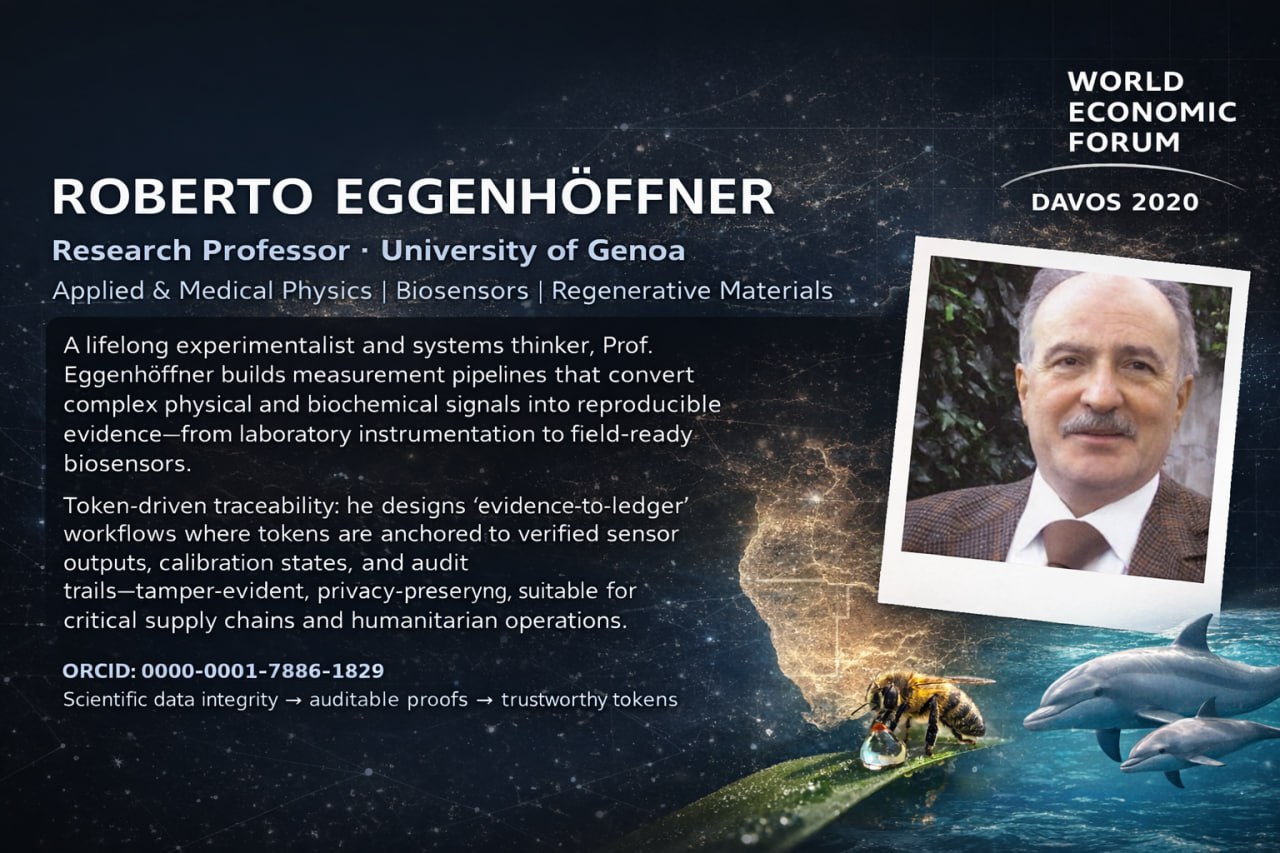
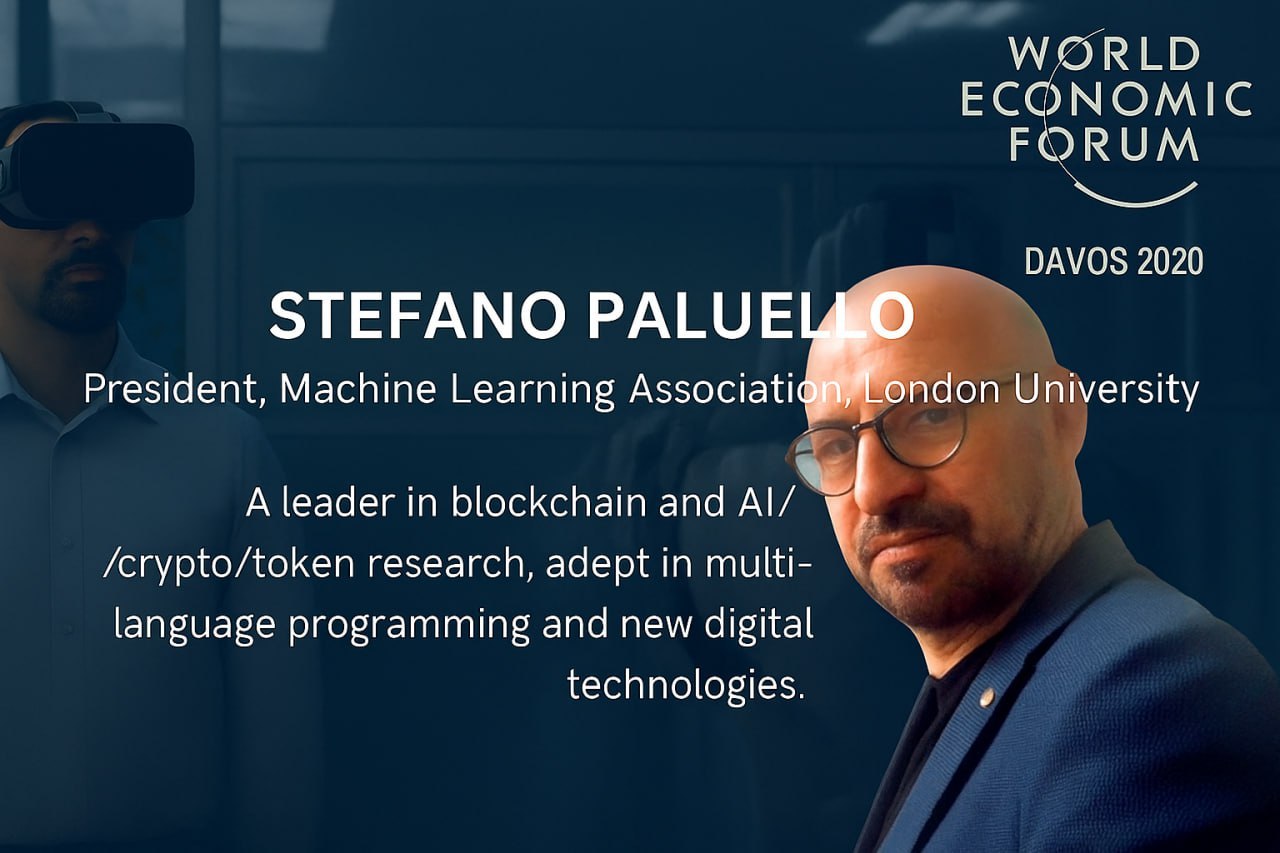
Bringing together expertise in biomedical science, artificial intelligence, supercomputing, and digital innovation.